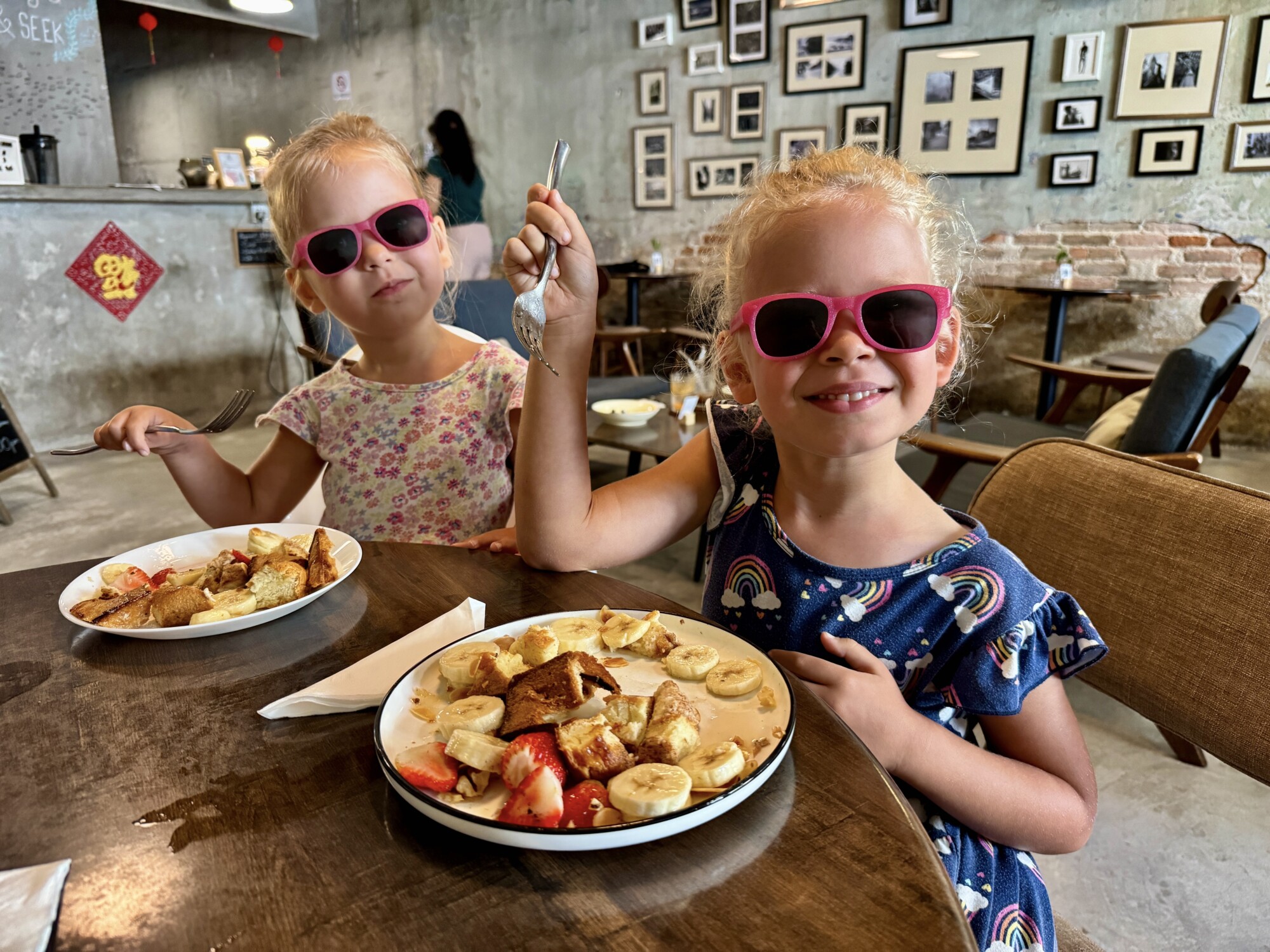
When you tell people you are traveling long-term with kids, one of the first things they usually ask about is education.
Not flights. Not housing. Not food. Not even money.
Education.
I understand why, because if you grew up anything like I did, traditional school was just what you did. You went to school, sat in a classroom, moved grade by grade, and followed the path everyone else followed. If someone homeschooled back then, it usually felt kind of “out there” or different because it wasn’t something most people were exposed to.
Now here we are in 2026, and education looks completely different than it did when I was growing up in the early 90s. People are questioning things more. Families are choosing different paths. Homeschooling and worldschooling are way more visible now than they used to be, but I still think there’s a huge amount of unknown around it, especially for parents who never really looked into alternative education before.
Then you add long-term travel into the mix and suddenly people really start questioning things.
Will my child fall behind academically?
Will they socialize enough?
Will they be able to go back into school later?
Am I qualified to teach my own child?
What does education even look like abroad?
Those are real fears. We had them too.
My husband and I didn’t grow up planning to homeschool our kids or travel the world full-time. We both came from traditional school systems, worked traditional careers in medicine, and followed the “normal” path for most of our lives. When we first started thinking about traveling long-term with our children, education felt like one of the biggest question marks hanging over our heads.
And I think part of that fear comes from the fact that most of us were taught there’s really only one acceptable path when it comes to education. School equals learning. Classroom equals socialization. Grade level equals progress. So when you step outside of that, it can feel like you’re taking a massive risk with your child’s future.
The interesting thing is that once we actually started living this lifestyle, a lot of the assumptions we had around education started changing.
Not overnight. Not perfectly. But slowly.
Because when you slow down enough to actually watch your child learn in real life, you start realizing education is much bigger than worksheets, grade levels, and standardized testing.
What Does “Falling Behind” Actually Mean?
This is probably the biggest fear parents have when it comes to homeschooling while traveling.
“What if my child falls behind?”
But behind compared to who? Behind their public school peers? Behind a curriculum? Behind a standardized test? Behind where we think they’re “supposed” to be?
In the United States, especially in public schools, kids are measured constantly. Grade levels. Benchmarks. Testing. Progress reports. So naturally, parents carry that same framework into travel and homeschooling.
For us, once we started looking into homeschooling in North Carolina, I realized it was actually much simpler than I had built up in my head. At my daughter’s age, the focus was reading, early writing, and math. That was really the baseline. And that helped calm me down a lot.
Because in my mind I had created this giant pressure-filled version of homeschooling where I somehow needed to recreate an entire school system while moving around the world with kids. Once I realized how much learning actually happens one-on-one and how much flexibility exists inside homeschooling, it completely changed the way I thought about it.
One of the biggest things I noticed with my own children is that they learn differently from each other.
One picks things up quickly in one subject and struggles in another. The other does the opposite. And I started realizing how hard it must be in a classroom setting where one teacher is trying to teach large groups of children all learning at different speeds.
At home, if my daughter struggles with a concept, I can slow down. I can explain it differently. I can step away from it and come back later. I can pay attention to where she’s getting frustrated instead of pushing through it because a classroom schedule says we need to move on.
That one-on-one attention has been one of the biggest advantages for us.
We do use books. We do reading. We do math. We brought learning resources with us while traveling. But I also realized pretty quickly that I didn’t want our daughter’s education to become entirely screen-based either.
Before we left, I leaned more heavily on educational apps and iPad learning because I thought that was what modern learning was “supposed” to look like. Then I started pulling away from it because I realized I wanted her physically interacting with learning more. Writing. Reading. Talking through concepts. Observing the world around her.
At the same time, I also realized schools themselves use a lot more screen time now than I expected. And that was eye-opening too, because it reminded me that every educational path has tradeoffs, even the traditional ones we automatically trust.

Travel Itself Became Part of the Education
This is probably the hardest thing to explain to someone who hasn’t experienced it yet.
Travel itself becomes part of your child’s education. Not instead of math and reading. Alongside it.
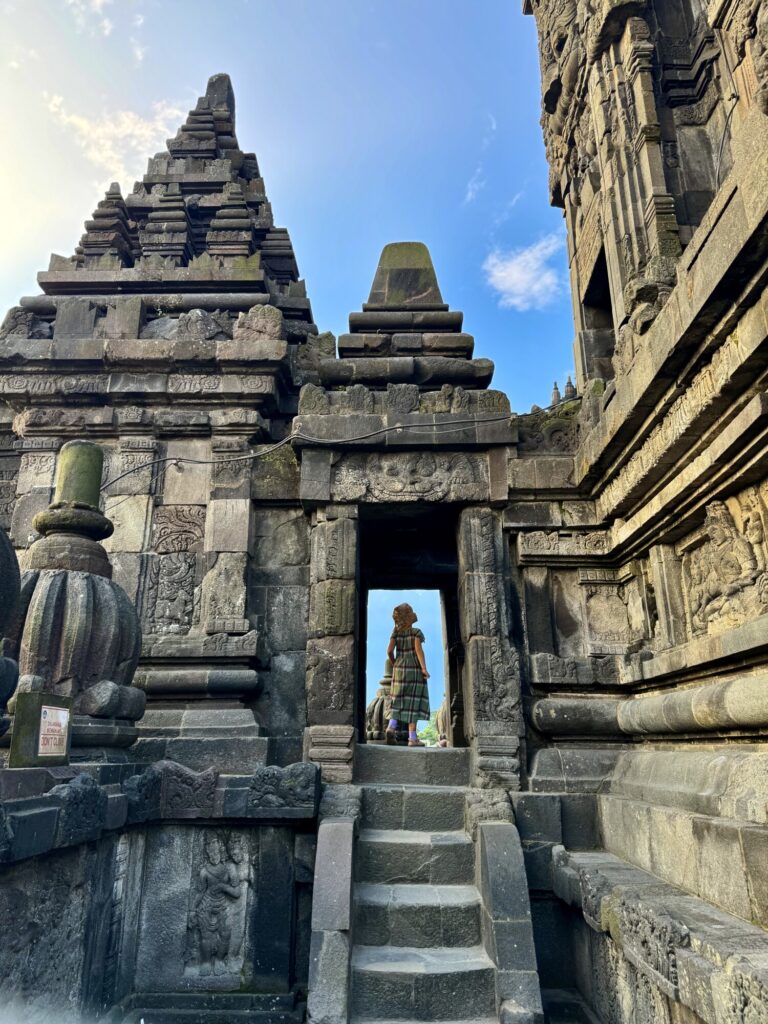
Our daughter has stood in front of the Taj Mahal. She has walked through temples in different countries. She’s seen different religions, languages, currencies, transportation systems, foods, markets, and ways of living.
She’s learning geography because she’s physically living inside of it and can find and name different countries on a map. She understands different currencies because she watches us exchange money and buy groceries in different countries. She talks to adults in cafés, markets, train stations, airports, and playgrounds constantly because that’s just part of our everyday life now. That’s real learning too.
A book can teach a child about the world, but there’s something very different about physically experiencing it.
One thing I’ve thought about a lot during this process is how different education feels now compared to when I was growing up. When I was younger, so much of school focused on memorization. Memorize the information. Pass the test. Move on.
Now information is everywhere. AI exists. Phones exist. Search engines exist. The internet exists.
What matters more to me now is whether my child knows how to think critically, ask questions, observe, adapt, and understand the world around her instead of simply memorizing information temporarily for an exam.
That doesn’t mean traditional learning isn’t important. Reading and math absolutely matter. But I don’t think those are the only things that matter anymore either.
The Socialization Question Everyone Asks
This one comes up constantly. “What about socialization?”
Before we traveled, I worried about this too.
People assume kids need to be around the same exact peer group every single day in order to socialize properly. But once we started traveling, I realized there’s actually a difference between peer socialization and human socialization.
When my daughter was in preschool, there were wonderful moments and difficult moments. She dealt with bullying. She picked up behaviors and language from other kids that we weren’t ready to introduce at home yet. She came home emotionally affected by situations she didn’t fully know how to process.
That’s part of school too, even though people rarely talk about it honestly.
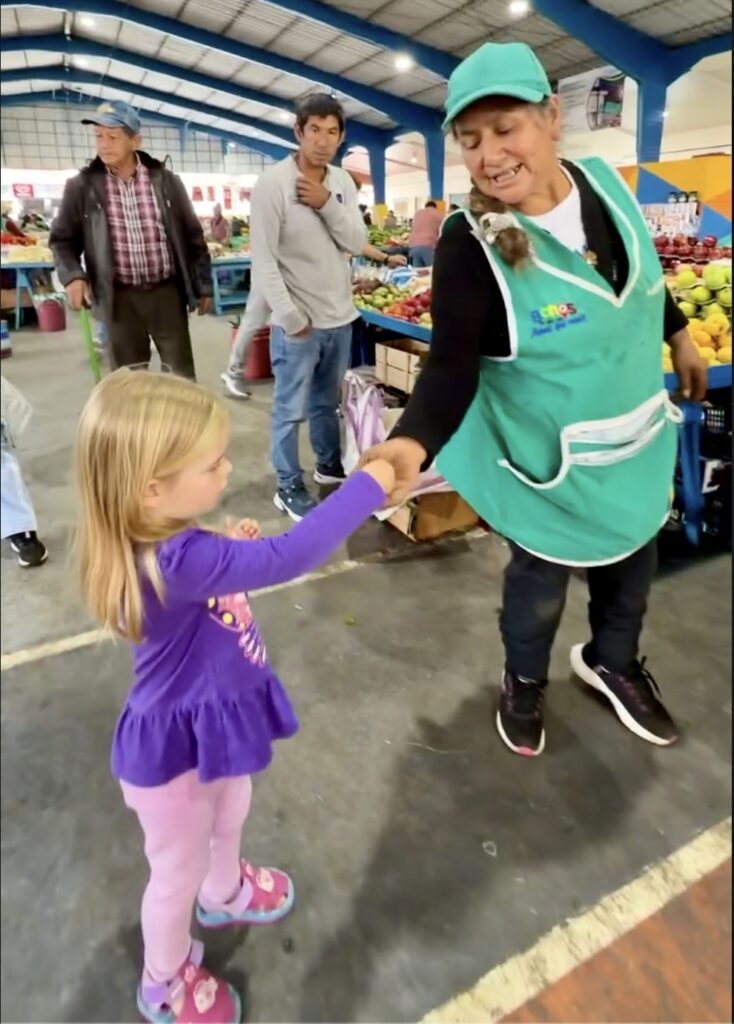
Now traveling, our kids interact with all kinds of people. Adults. Older kids. Younger kids. People who speak different languages. People from completely different cultures and backgrounds.
And one thing I’ve noticed is how comfortable they’ve become talking to people.
They’ll order food. Ask questions. Interact in markets. Play with children even when they don’t share a common language. They’ve become incredibly adaptable socially because they’re constantly exposed to new environments. My children have become best friends through this lifestyle.
They spend an enormous amount of time together. They create games together. They fight, work things out, talk constantly, and rely on each other in a way I don’t know would have happened if they were separated most of the day.
That doesn’t mean they don’t need other children. They absolutely do.
But socialization happening outside of a classroom doesn’t automatically mean it’s bad socialization.
I think a lot of parents also quietly worry about what their kids are exposed to socially in schools now too. Phones. Internet culture. Bullying. Anxiety around appearance and social media. Constant comparison. Those things exist as well.
So I think the conversation around socialization needs to become more nuanced than simply assuming classroom equals healthy social development.
Can Kids Go Back to School After Traveling?
This is another huge fear families have.
“What happens if we come home?”
People worry their child won’t reintegrate academically or socially after long-term travel. And honestly, yes, transitions can be hard. Any transition is hard. Joining a classroom where friendships and social groups already exist can feel awkward for any child, whether they traveled or not. Changing schools mid-year is hard. Moving cities is hard. Starting over socially is hard.
That’s not unique to traveling kids.
From the academic side, homeschooling is much more accepted now than it used to be. Colleges recognize it. School systems recognize it. In North Carolina, we keep yearly records and testing documentation. If we ever decided to put our children back into traditional school, we have the paperwork and structure needed to do that.
I’m honestly not overly worried about it. If anything, I think travel has made our kids more adaptable socially because they’re used to entering unfamiliar situations constantly. New people. New environments. New routines. New cultures.
That adaptability is a skill too. And I think sometimes we underestimate how resilient children actually are.
Kids Need Rhythm More Than Rigidity
Another thing I’ve realized through long-term travel with kids is that children do not need rigid schedules as much as they need rhythm.
There’s a difference.
People hear “travel” and immediately picture chaos. No bedtime. No structure. No consistency. That really hasn’t been our experience. Our kids know what to expect in our days even when the country changes.
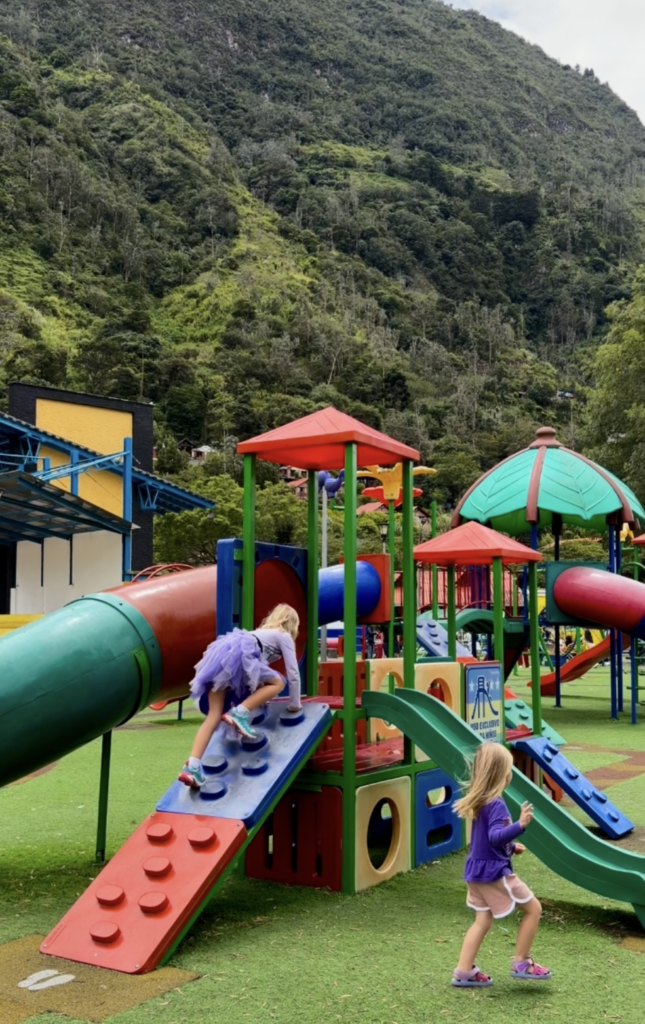
We wake up. We eat breakfast. We move our bodies. We do learning. We go outside. We explore. We spend time together in cafés or playgrounds. We eat meals together. Bedtime stays consistent.
The structure moves with us. I think that consistency in connection matters more than the physical location itself.
Our kids still have familiar routines. Familiar belongings. Familiar emotional safety with us.
We talk to them constantly. We check in with them constantly. We pay attention to whether they’re overwhelmed, tired, hungry, overstimulated, or needing more connection. I think travel has actually made us more attentive parents in a lot of ways because we spend so much more time together.
Am I Qualified to Teach My Own Child?
I hear this one constantly too.
“What if I’m bad at math?”
“What if my child learns differently than I do?”
“What if I’m not qualified?”
I understand the fear because I felt it too.
But what I realized pretty quickly is that at this age, my child doesn’t need perfection from me. She needs involvement.
She needs patience. She needs consistency. She needs someone willing to slow down and pay attention to how she learns.
For us, reading and math are parent-led. Those are the basics we consistently focus on. But there’s flexibility inside of how we do it.
If she’s frustrated, we pivot.
If she hates a worksheet, we try something different.
If she’s tired, we slow down.
If she becomes deeply curious about something, we follow that curiosity.
One of the biggest surprises for me was visiting a homeschool store in North Carolina before we left. I expected it to feel intense and overwhelming. Instead, everyone there was calm. Nobody was panicking. Nobody was acting like homeschooling required recreating a private academy inside your house. They simply helped us understand what our child needed academically and reminded us that focused one-on-one learning often takes far less time than traditional school because you’re not managing an entire classroom of children.
That shifted my perspective completely.

Will My Kids Miss Out on Childhood?
This question feels emotional because I think parents project a lot of their own childhood memories into it.
Will they miss sports?
Birthday parties?
School dances?
Prom?
Graduation?
Neighborhood friends?
Maybe.
But I also think we have to stop and ask ourselves whether our children are actually missing those things… or whether we’re grieving the image we personally had of childhood.
Our children have celebrated Holi in India and Día de los Muertos in Mexico. They’ve been invited to birthday parties abroad. They’ve played with kids in playgrounds all over the world. They’ve spent hours outside exploring, climbing, swimming, walking, and observing.
They’ve never once asked me why they aren’t attending a school pep rally. And if one day they do want something different, then we’ll listen. That’s the entire point. This lifestyle isn’t about forcing one decision forever. It’s about being intentional and paying attention to what your child actually needs in each season.
I don’t know what my kids will want at 10, 14, or 17 years old. But I know what feels right for our family right now.
More connection.
More presence.
More time together.
More curiosity.
More flexibility.
More real-life experience.
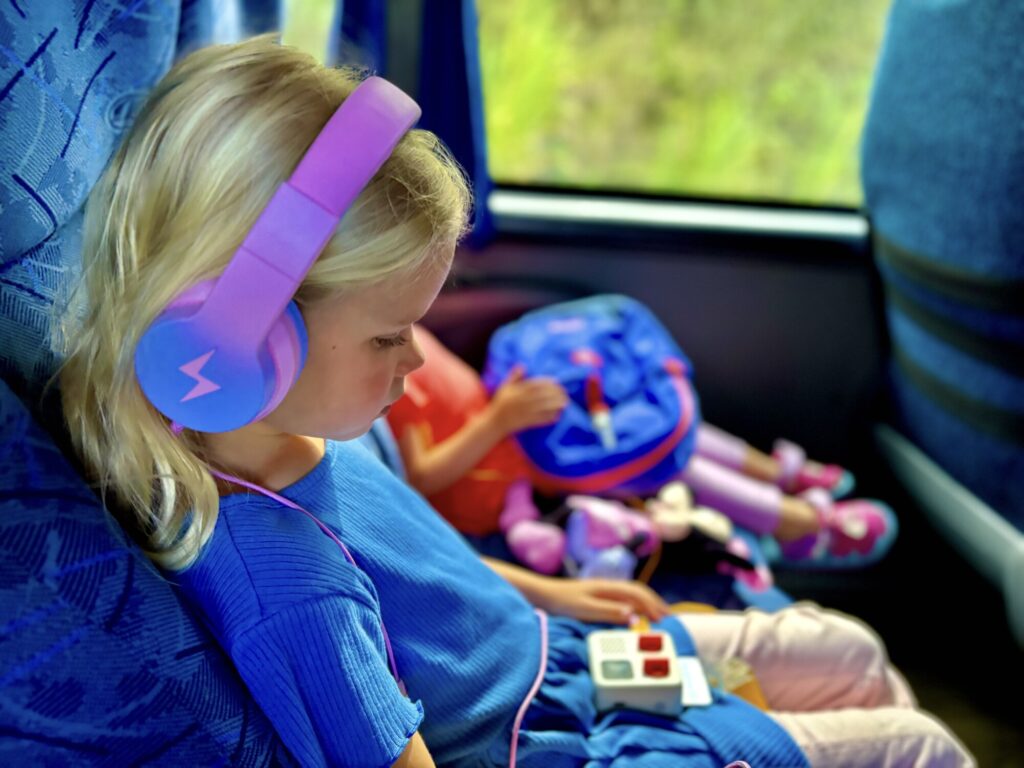
The Honest Downsides No One Talks About
I also don’t want to pretend this lifestyle is perfect because it’s not. When we first started traveling full-time with our kids, it was hard.
We had no idea what we were doing. I carried an enormous amount of pressure mentally because I felt like if we failed, we’d fail publicly. Everyone would watch us come home and think, “See? That’s why families shouldn’t do this.”
That weighed on me heavily in the beginning. There are also real tradeoffs. Our children don’t see their grandparents as often as they would living nearby. Building community can take more effort. Constant movement can become exhausting if you move too quickly. I don’t think fast travel works well for families long-term.
Slow travel is what changed everything for us.
Once we started staying longer in places, everything became easier. The kids settled in. We settled in. Routines came back. We found favorite cafés, playgrounds, grocery stores, and rhythms.
Usually within about 48 hours we can settle into a place and start rebuilding normal life again.
That’s the difference between vacationing and actually living abroad.
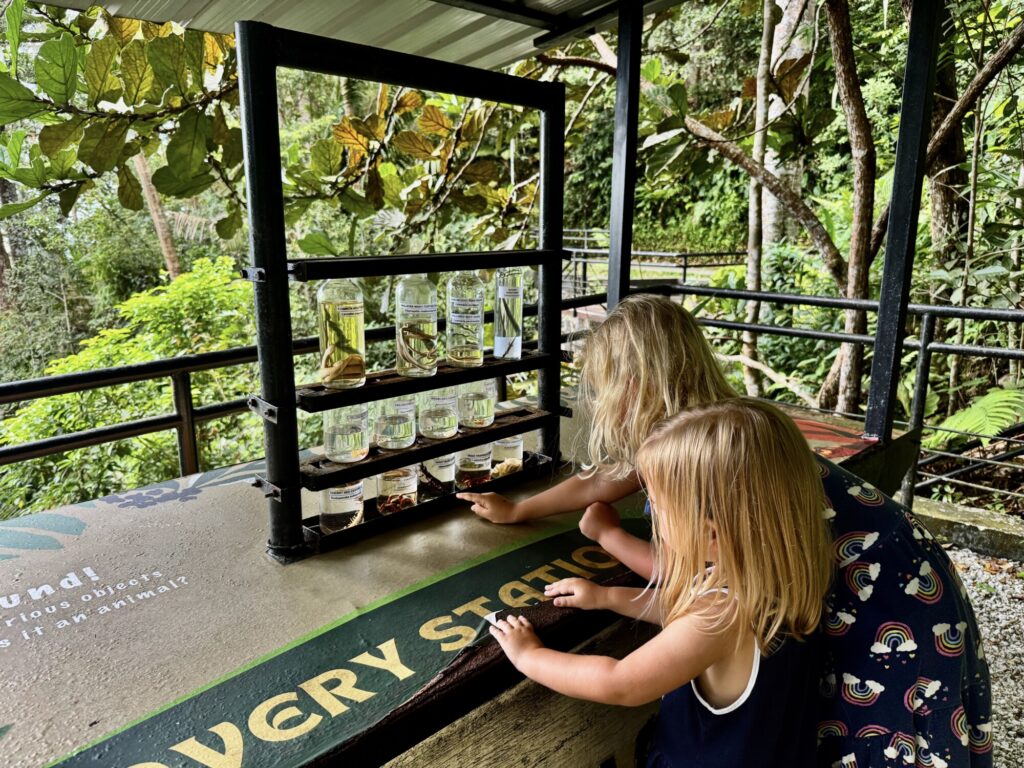
So… Does Traveling Ruin Kids’ Education?
No.
But I also don’t think travel magically educates your child automatically either. You still have to be intentional. You still have to stay involved. You still have to know your child well enough to notice when something isn’t working.
What travel has done for us is force us to think more deeply about what education actually means.
I no longer believe education only happens inside a classroom. I no longer believe success only looks one way. I don’t think my biggest goal as a parent is raising children who simply know how to follow directions, memorize information, sit still, and pass tests.
I want my children to know how to think.
I want them to question things.
I want them to communicate confidently.
I want them to adapt.
I want them to understand different people and cultures.
I want them to move through the world with curiosity instead of fear.
And I think there are multiple ways for children to become educated, capable humans.
Travel just happened to become one of the ways we discovered for our family.
More on the Blog:
The Real Reason Most Families Never Leave for Full-Time Travel