I used to believe family travel had to cost a lot. That you had to pay top dollar for perfect weather, perfect resorts, perfect everything. Like most of us, I thought if it wasn’t expensive, it wasn’t worth it. I thought travel meant big hotel packages, all‑inclusive deals, and a price tag that screamed “I pulled this off.”
I totally lived in that mindset for years after having kids.
When we decided to take a year off to step away from work and just travel as a family of four I knew we could spend less but I didn’t know how and honestly we had a hard run of it for a month or two. We had a 5 and a 3 year old, and honestly, I thought this wasn’t going to be easy at all.
But here’s the thing I didn’t expect: keeping things simpler made our trips way better, not worse.
We didn’t burn out for 12 months.
We didn’t regret skipping the “perfect” vacation checklist including kids clubs, resort packages, or all inclusive.
And honestly? Our kids had an amazing time.
So this isn’t about cutting corners and sacrificing comfort at all. I for one will not be doing that anytime soon. It’s about how to plan an affordable family vacation with kids that still feels fun, safe, and full of memories.

Let Go of Perfection & Start With What Matters
A lot of what keeps families from traveling is honestly just perfectionism. It’s that feeling that every detail has to be flawless. The FOMO kicks in, you’re going somewhere once, so you want to do it all, see it all, and relax to the max.
Vacation packages and all-inclusives are literally built to sell that feeling. They make it seem like you can’t mess up. They feel safe, like everything’s handled. They’re marketed as “stress-free,” and I totally get why that appeals to parents.
But here’s what I’ve realized: spending more doesn’t guarantee better memories with your kids.
Most of those resort-style trips end up feeling really similar, same setup, just a slightly different backdrop. And listen, if that’s your version of a perfect trip, great. But for me, that’s more of a staycation vibe, something I’d want for a weekend away with my husband, not what I’d fly across the world for with my kids for 10 days.
Once we let go of that version of what travel was supposed to look like, everything got easier. We stopped trying to “do it right” and started focusing on what actually mattered to us: being together, exploring, learning, and just living life with our kids in a different place.
It’s a simple shift, but it’s not always easy. You don’t need a 15-point checklist for a trip to be “good.” Just pick one or two things that matter most to you, whether it’s rest, adventure, culture, connection, and be flexible about the rest.
For me, culture is the big one. I love being immersed in different ways of life, so I build our trips around that. That one choice gives everything else structure.
And honestly? That shift changed everything for us.
Define What You Want & Then Make It Work
Before our year of travel began, we didn’t sit down and say, “Let’s spend as little as humanly possible.” That was never the goal.
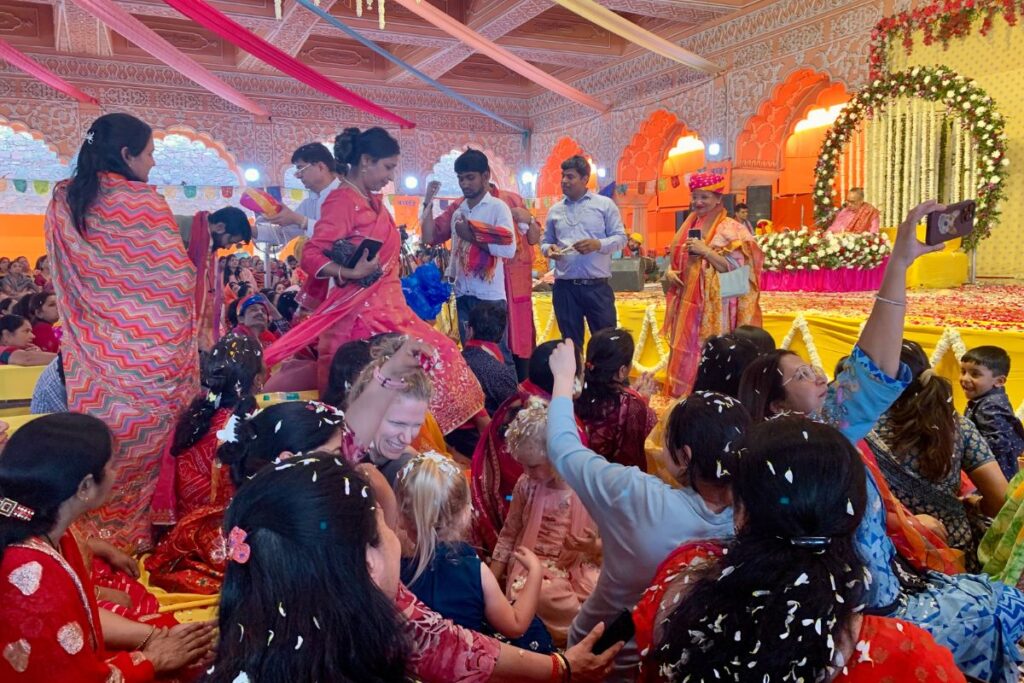
What we did do was figure out what we wanted from the experience. For us, that was adventure, culture, quality family time, and new experiences. But especially cultural experiences. That was always at the center of how we built our trip.
Then we looked at where our money would stretch farther while still giving us those things. That meant understanding the daily burn rate of a place. What it actually costs to exist there per day, so we could spend on what mattered without obsessively tracking every dollar along the way.
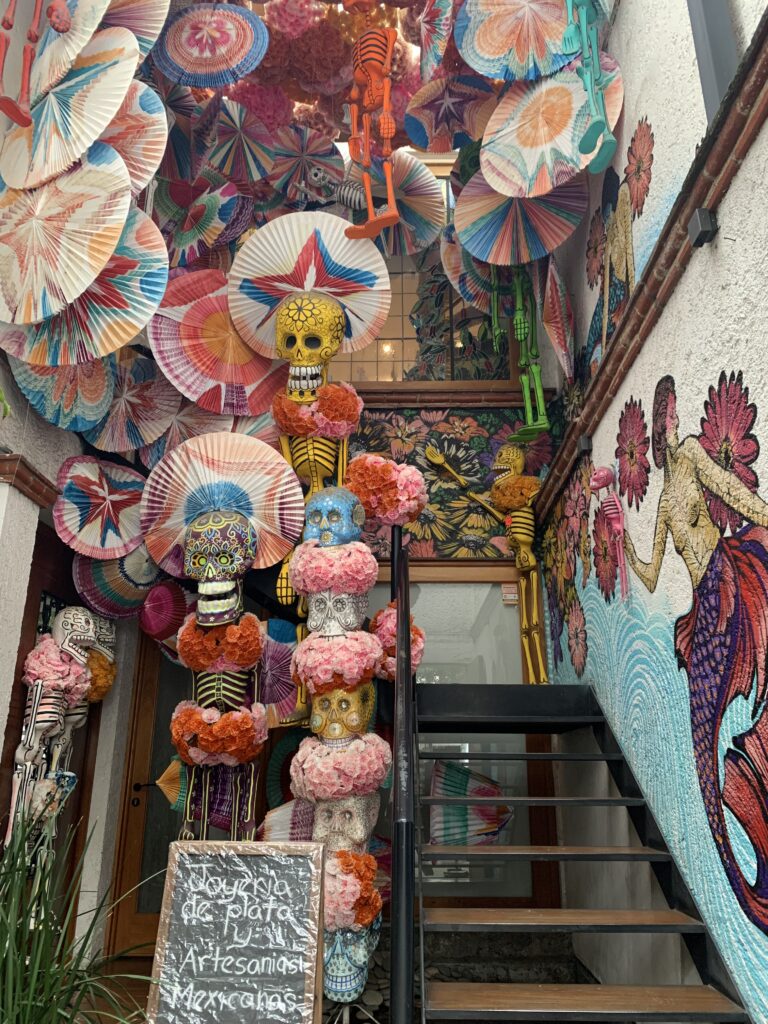
We started in Mexico, and honestly? It was way more expensive than we expected. Rental cars in particular were a hit to the budget, not only were they pricey in general, but they require you to get local insurance even if you already have your own travel or credit card coverage. That alone blew a chunk of our budget during those first two months. One of those “learn as you go” moments.
South America was also on the list, but once we looked at the numbers, it just didn’t fit into our $100-per-day plan early on. So we pivoted.
When we got back from Guatemala in December 2024, we made the call to head to Asia and Southeast Asia, and it was absolutely the right move.
- Our dollar stretched way farther there
- The outdoor experiences were incredible
- The culture and people were welcoming and just so easy to be around as a family
And yes, we still visited places like Singapore, which is definitely pricey, but we didn’t stay long. We let our priorities guide where we spent our time and money. In Singapore, that looked like staying outside of the main tourism zones, we booked a hotel in Little India, and used the metro to get around the city. That worked really well for us.
It wasn’t about being cheap. It was about making intentional choices so we could experience more, not less.
Value Doesn’t Mean Skimping. It Means Choosing Well
We didn’t travel to skimp or live cheaply. That was never the goal. We wanted to live well, and going to Southeast Asia absolutely did that for us.
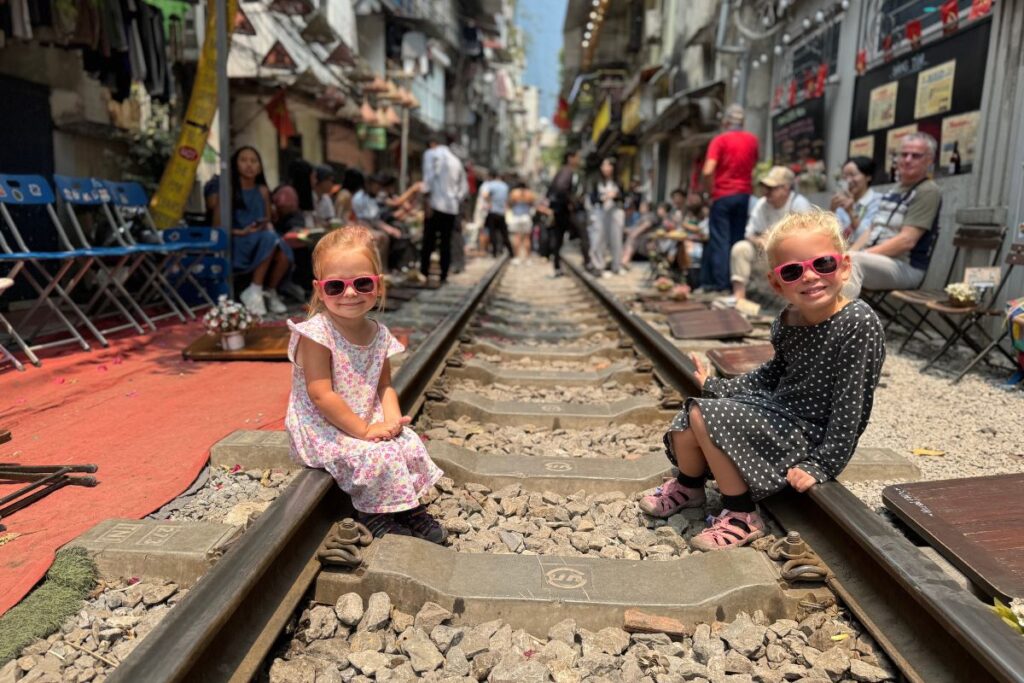
It’s kind of wild, honestly. In places like India, Vietnam, and Laos, we found:
- Outdoor adventures that our kids were excited about
- Real cultural experiences that we still talk about
- Food that was so tasty and good for you too
- A slower daily pace
We weren’t giving things up. We were just making different choices. Ones that worked better for us.
And this is where that whole “prioritize one thing” mindset really comes in. I always say: don’t make a 15-item list of everything your trip has to include. Pick one thing that matters most to you and let everything else build around that.
For us, it was culture. That’s what we were after to live in places that felt different, where we could learn, meet people, and experience a different way of life. That helped us narrow down where to go and how to spend. We stuck with a daily spend of around $100/day, which felt good for us, and we picked places that made that doable.
And we didn’t sacrifice safety or comfort to do that. That’s the misconception. We just looked for places that offered more value for what we actually cared about.
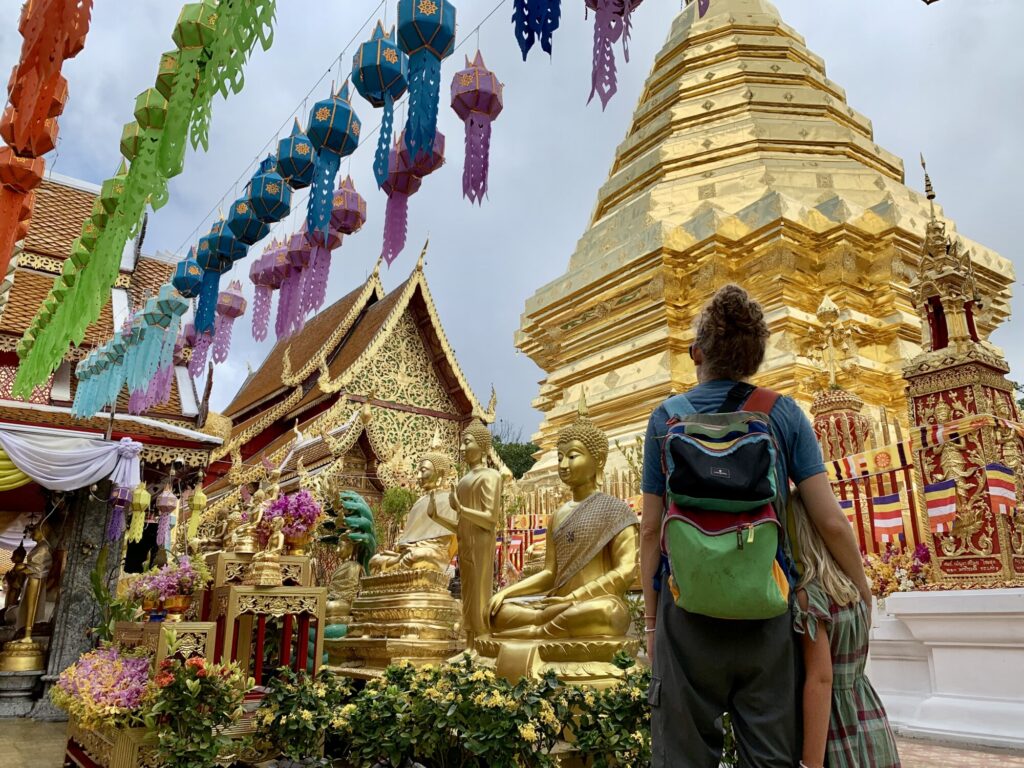
Like in Thailand. You can spend a bunch on touristy stuff like big zoos, theme parks, packaged excursions or you can walk to the park, visit a temple, grab snacks from a street cart, let your kids run around in a local neighborhood, and just be there. That was the better experience for us, every time.
We also got stuff done while we were there in a good way. We all went to the dentist for our regular cleanings (amazing care, a fraction of the cost). I got a Thai massage that was hands-down one of the best I’ve ever had. We got our nails done. It felt like a treat, but it was so affordable, and it was part of our day-to-day life.
So no, we weren’t skimping. We were choosing well. And because of that, we lived really well.

Find Local, Not Tourist Experiences
When I say “family-friendly,” I’m not talking about the big kids’ museums or theme parks. Even though those can be fun, and we do those sometimes too. What I really mean is the kind of spots where kids can just be kids. Like:
- Parks and playgrounds I find on Google Maps
- Local gems that people in the area recommend
- Neighborhoods where kids can run around while we relax
- Watering holes or trails that aren’t full of tourists but are still beautiful
Those are the moments that stick with us. They’re often free or really low cost because they’re not where tourist usually go. And they’re usually more fun anyway, less waiting in line, more space to explore, and way more laid-back.
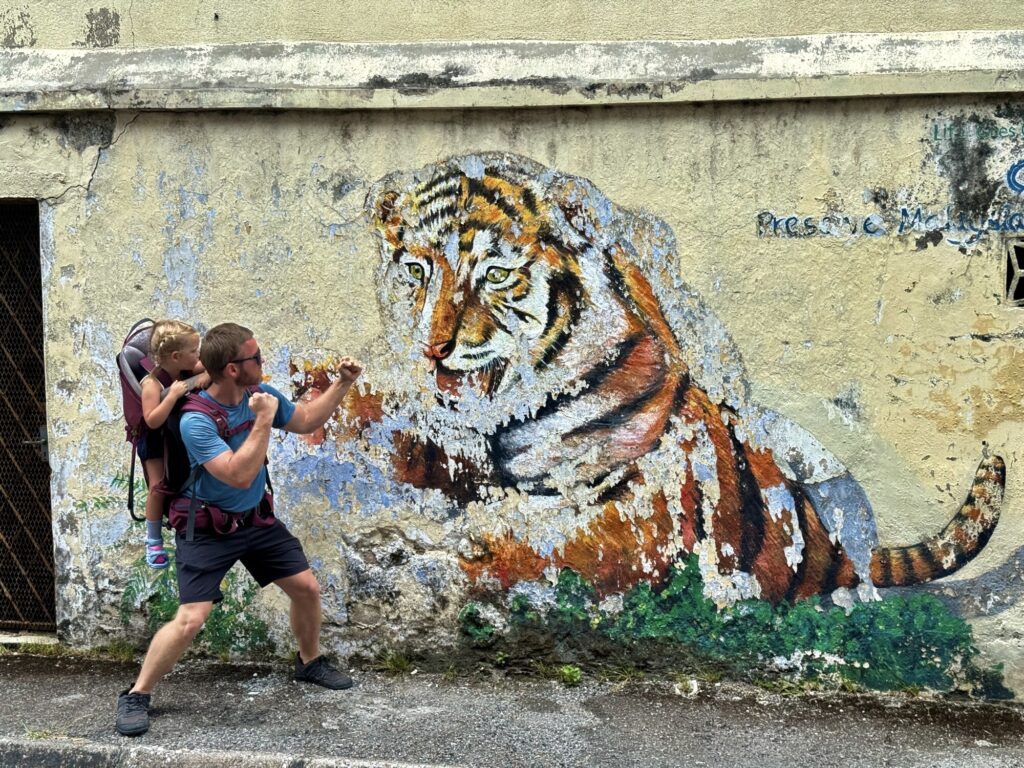
We did this all the time in Malaysia. I’d zoom around Google Maps, click on random places that looked interesting and weren’t overrun with tourist reviews. We’d show up, walk around, let the kids play, eat snacks we brought from home, and hang out. Easy day. Totally aligned with what we were actually there to experience.
It also matched our priority of culture over commercialism, doing what local families actually do instead of only what’s advertised to visitors.
If your family does love tourist attractions, that’s great too. Just a tip, ask locals where to book. A lot of times, it’s cheaper than booking online through some big company. And when you do it locally, your money goes straight to the people who live there, not through three layers of websites. (Yes, I love an affiliate link as much as the next person, but I’d rather your money stay local.)
And honestly, you’ll find way cooler stuff that way. In Penang, a local pointed us to this little bunny café not advertised anywhere big, not in any guidebook and it was such a fun, random find. The kind of place you only hear about by actually being there and talking to someone.
That’s the good stuff. The stuff that doesn’t cost much, doesn’t require planning, and makes the trip feel personal.
Plan, But Don’t Overplan
One of the biggest things that helped us stick to a doable travel spend, especially over the long haul, was being flexible.
We didn’t pre-book every tour, bus, big attraction, or experience. If something was likely to sell out? Sure, we’d book it ahead. But 90% of the time, we waited until we got there and it almost always saved us money.
Like I mentioned earlier, booking locally makes a difference. It means:
- Paying actual local prices (instead of third-party markups from major websites)
- Supporting the people who live and work there
- And choosing experiences that make sense in the moment, not months in advance
This doesn’t mean we had no plan. It just means we didn’t let the pressure of a perfect itinerary run the show.
What I usually do is this: I map out a few ideas ahead of time on Google Maps. Parks, cafes, trails, random spots that look interesting. Then when we wake up, we check in with how everyone’s feeling. Did someone sleep poorly? Are the kids in a mood? Do we want to have a long breakfast first? We let the day unfold from there, based on energy and vibe.
Because, let’s be real, when you’re traveling with little kids, a tight schedule will almost always blow up in your face at some point. And then what? Now you’re trying to scramble and “fix” a day that didn’t need fixing. You’re stressed, they’re crying, and no one’s having a good time.
Letting go of that need to hit every must-do on a list gave us space. Some of our best memories came from those looser days wandering a neighborhood, finding a playground by accident, grabbing a snack and watching a local soccer game.
So yeah, have a plan but make it loose. Make it more like a suggestion and less like a contract.
It’s so much better that way.
Know the Daily “Burn Rate” of Your Destination
This is a game-changer. Before you go anywhere, take the time to figure out what you’re likely to spend per day in that place. That’s your burn rate and once you know it, everything gets easier.
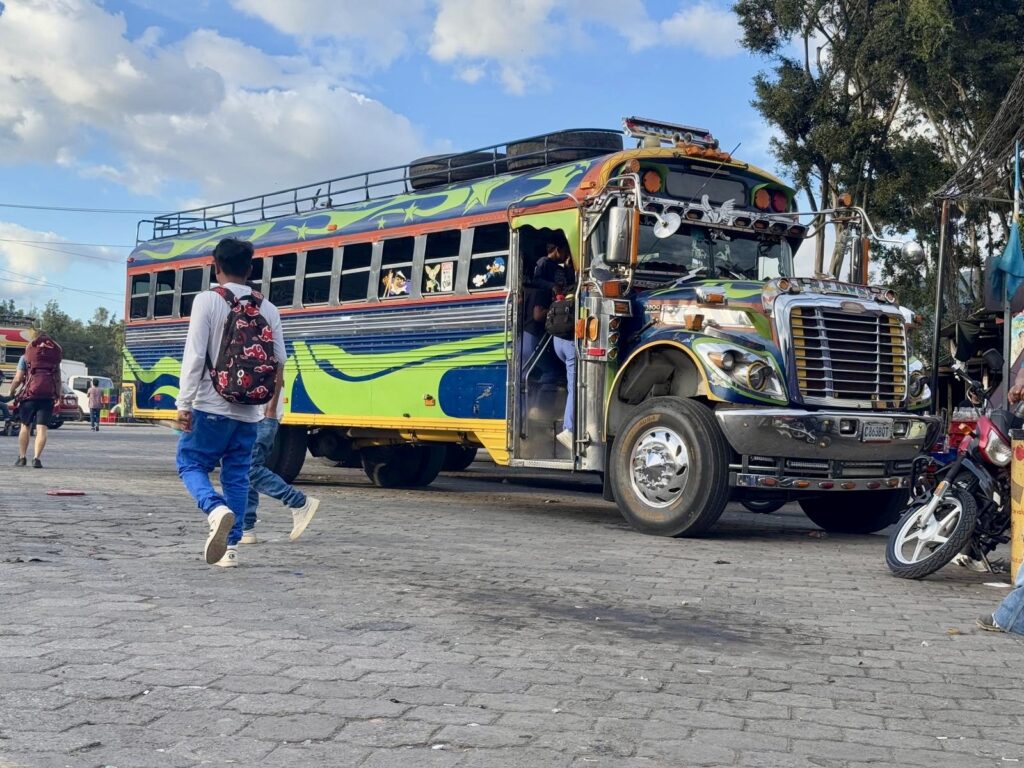
The good news is, this info is everywhere now. You can search blogs, travel forums, YouTube videos, everyone’s sharing what they spent. And honestly, that transparency is so helpful. You don’t need to guess. Read about what we paid in San Miguel de Allende here, or in Antigua here, or in Hanoi, Vietnam here, and Yogyakarta here.
Here’s what you want to consider:
- Are you staying downtown or a little outside the city?
- What’s the local transit situation? Is it walkable? Do you need to rent a scooter, take a bus, grab a taxi?
- Will you need a rental car? (Honestly, avoid this if you can, we learned the hard way how fast that can blow up your budget.)
- What’s the food scene like: cheap and local, or more imported and pricey? (islands are always more pricey FYI)
Once you know the daily average of what’s normal for food, transportation, accommodation, even little things like coffee or a SIM card, you can show up in that destination with so much less stress.
You’re not second-guessing every decision or tracking every dollar. You already know what a normal spend looks like there, and you’ve built your plan around that.
For us, this made such a huge difference. We’d land somewhere and there was no panic. No scramble to adjust. We knew what to expect and could just settle in.
Use Timing to Your Advantage
So, my kids are homeschooled now, which gives us more flexibility, but believe me, I totally get the struggle of working around school calendars and limited PTO. Nearly every family I talk to feels like their only option is to travel when school’s out and the weather’s perfect.
But here’s the truth: that’s also exactly when travel costs the most, and when crowds are at their peak. It’s high season pricing on everything, flights, accommodation, even some activities.
If you can shift your mindset just a little, there’s a lot of wiggle room. Try looking at:
- Shoulder seasons — that sweet spot between peak and off-season. You’ll still get good weather, but without the crowds and crazy prices.
- Midweek departures — flying or checking in on a Tuesday or Wednesday is almost always cheaper than leaving on a Friday or Saturday.
- School calendars — this one’s huge. If your kids are in school, map out the year in advance. Look for those random 3 or 4 day weekends or teacher workdays and plan around those. You’d be surprised how much value you can get from just extending one of those into a long weekend.
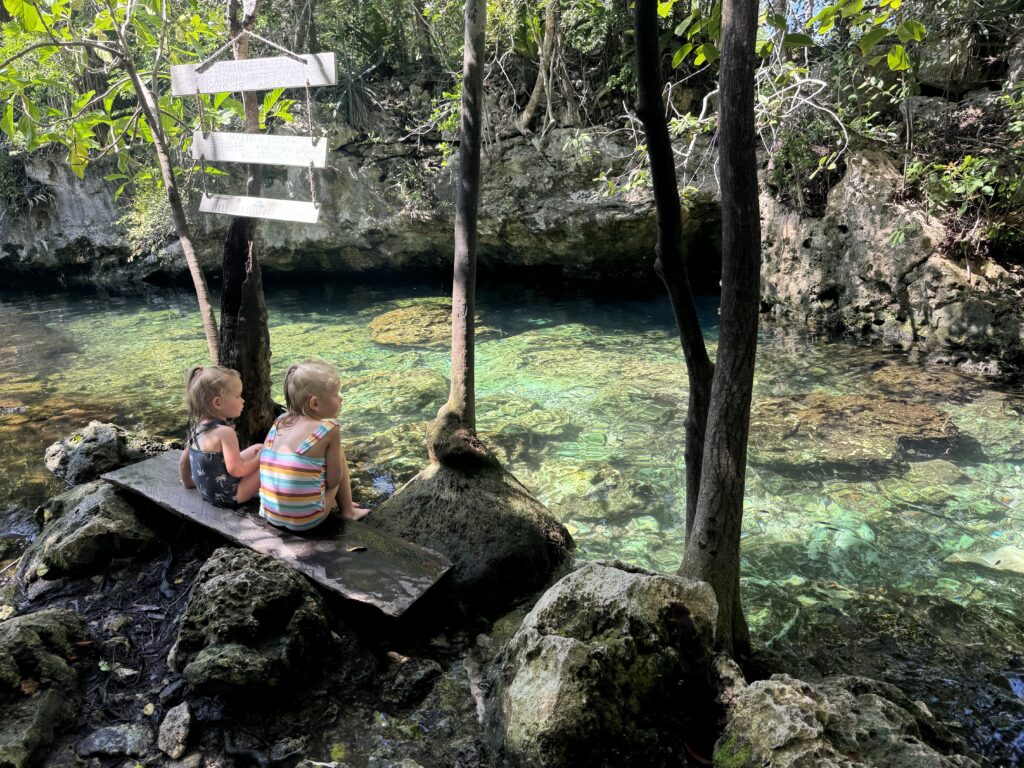
We did Mexico during shoulder season, and yeah, it rained here and there, but it was totally fine. The rain hit in the afternoons, and it wasn’t every day. We still got plenty of sunshine, and the tradeoff? We saved hundreds of dollars on accommodation and activities. Like actual, noticeable savings. And fewer crowds made everything easier with kids.
I know school schedules can feel rigid and not everyone wants to pull their kids out of class. But even a small shift, like flying midweek or aiming for shoulder season instead of the absolute peak, can make a big difference in both your budget and your sanity.
This is one of those areas where a little planning goes a long way, and the payoff is real.
Transportation That Works (and Saves Money)
This one’s simple, and it makes a big difference. We always try to travel smarter, not harder, especially with kids. For us, that usually looks like:
- Using points for flights if we have them (booking around 6 months in advance here)
- Staying longer in each spot so we’re not constantly paying for flights or transit
- Choosing trains, buses, or road trips over short flights whenever it makes sense
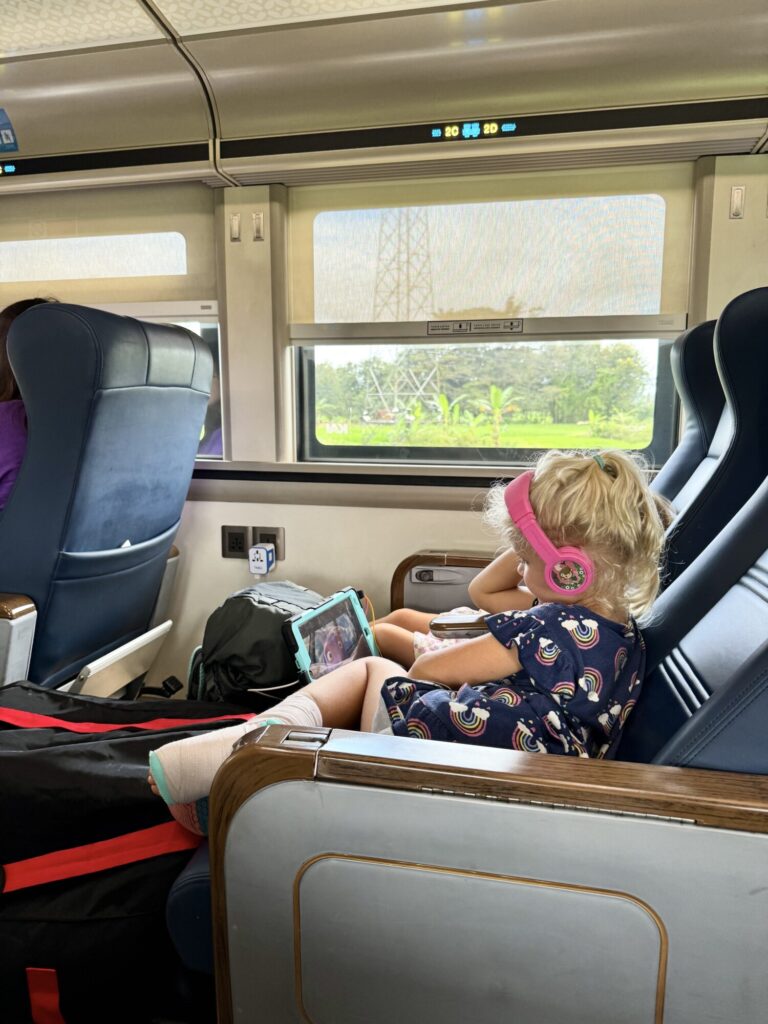
One of our favorite examples was in Indonesia. We took a 6-hour train instead of flying. It saved us money, but honestly, it also saved us stress. No TSA lines, no luggage weight checks, no airport chaos. Just get on, relax, and ride. The kids were happier, and so were we.
And I always remind people of this: an 6-hour train ride might sound long, but if you add up the time it takes to pack up, drive to the airport, go through security, wait around, board, fly, deplane, get your bags, get into town… it’s not that different. And you’re not wrangling toddlers through all the transitions.
That’s a huge one for us: less transitions = less stress. Every parent knows this deep down. The fewer times you have to unpack, repack, shift seats, or rush, the better the day goes. Every time.
And bonus? A lot of those train rides have been absolutely beautiful. It becomes part of the experience, not just something to get through.
So when we’re planning travel days, we always ask:
Is there a slower, simpler option that keeps us moving, saves us money, and feels easier with kids?
Most of the time, there is.

Where You Stay Matters
This is one of those things that can make or break how a trip feels and how affordable it actually is. We found that we could stay in places that felt luxurious and super livable for way less money than you’d think, just by making a few smart choices.
What worked best for us was:
- Renting high-rise apartments with actual amenities like pools, gyms, playgrounds
- Choosing family-friendly vacation rentals instead of hotels (having kids toys already in the place is amazing!)
- Looking for places that included weekly or bi-weekly cleanings (many did this free of charge)
- Always having a kitchen so we could cook, pack snacks, and not eat out constantly
On average, we spent about $1,200 a month on places that were clean, safe, and honestly pretty spacious. These were not roughing-it situations. These were places with air conditioning, balconies, pools, and enough space for us to not feel like we were stepping over each other all day.
Now, I’m not against hotels, they can be great for short stays, especially if we’re just passing through. But for anything longer, we’ve found that having our own space makes life so much easier. We could do laundry without paying extra, we could make food when the kids were hangry, and we didn’t have to eat every single meal out or call the front desk for everything.
It just made daily life work and when you’re traveling with kids, that’s half the battle.
Feeding a Family on the Road (Without Stress)
Feeding kids while traveling doesn’t have to be this big stress point. We found a rhythm that worked for us and honestly made it feel easier than feeding them at home sometimes.
Here’s what we did:
- Breakfast at home — almost always. It was just easier and saved money.
- Snacks packed in our backpack for the day because someone’s always hungry, right?
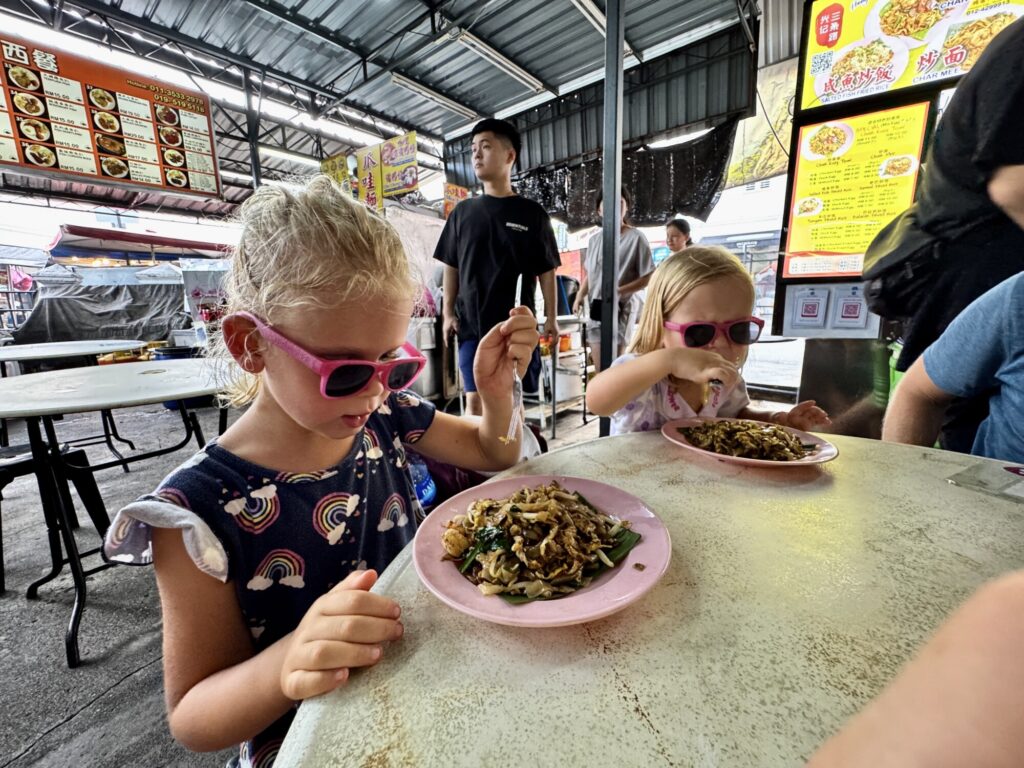
- Lunch usually came from local markets or little food stalls.
- Dinner out maybe every other day, or when it felt worth it, not just by default.
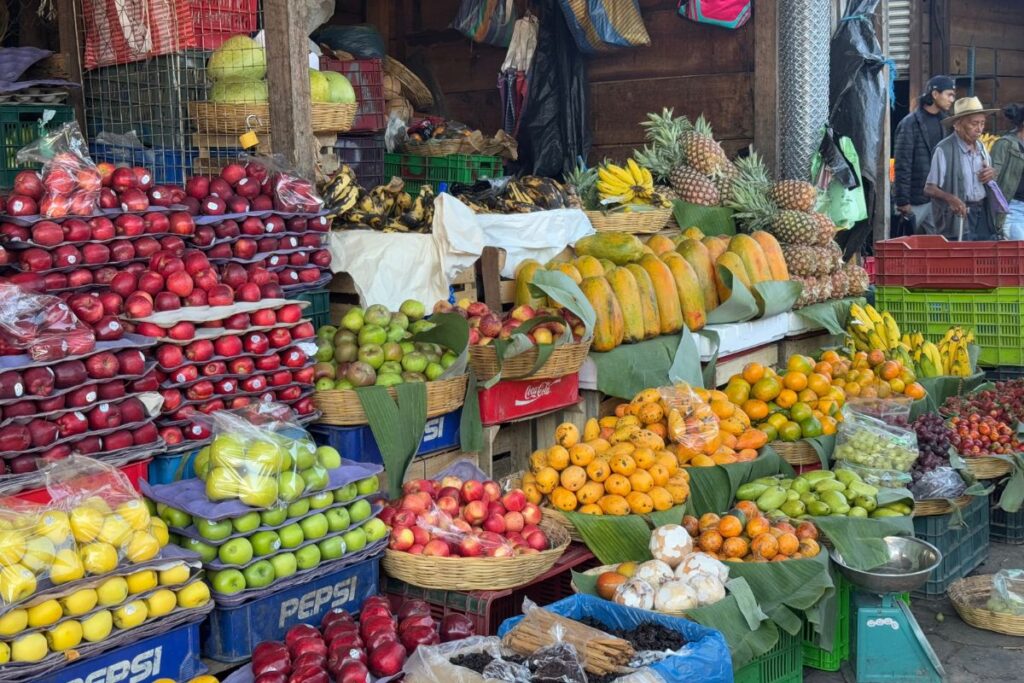
The beauty of places like Southeast Asia is that food is fresh, seasonal, and way more affordable than in the U.S. Staples like rice, noodles, veggies, and fruit were everywhere, and the kids ate really well without us having to hunt down “kid food.” Honestly, a lot of it was better than what we’d eat at home.
That said, we kept it flexible. In India, for example, the kids ate a lot of roti and bananas. The food was amazing, but it was spicy and that’s tough for little ones. So we kept it simple and worked with what we had.
If we wanted a treat, it was usually coffee or a fun local snack. And if we found a place that looked special, something we couldn’t get anywhere else, we’d go and enjoy it.
We also loved having a kitchen in most of our rentals. It meant we could make our own meals when we wanted to, shop at local markets, and stock up on easy things the kids liked. That alone saved us a ton and made it easy to not rely on eating out three times a day.
It wasn’t about sticking to a rigid food budget. It was just about being smart with what was available and making decisions that actually worked for our family.
Saving Before You Go Makes It Easier
This is probably one of the most underrated parts of family travel, getting your money right before you go. It changes everything.
Here’s what helped us:
- We got serious about our finances during 2020
- We paid off all our debt: student loans, cars, everything
- We lived below our means and still do
- We had our retirement and emergency funds fully set
- And then we started setting aside money specifically for travel
Some people call it a “luxury” fund or a “fun” fund whatever works for you. But for us, just having that dedicated account made it easier to say yes to travel without the stress of wondering if we were messing up something bigger.
And that’s the thing, this part isn’t about spreadsheets or sacrifice. It’s about confidence. Knowing our finances were in order made it possible to plan travel from a place of clarity, not chaos.
I’m not saying you need to have it all figured out perfectly. But getting intentional with your money ahead of time, even if it’s just small shifts, makes this feel less like a risk and more like a choice.
Travel didn’t feel like this huge, scary thing. It felt like the natural next step after getting our life aligned with our values.
Your Kids Remember Moments, Not Price Tags
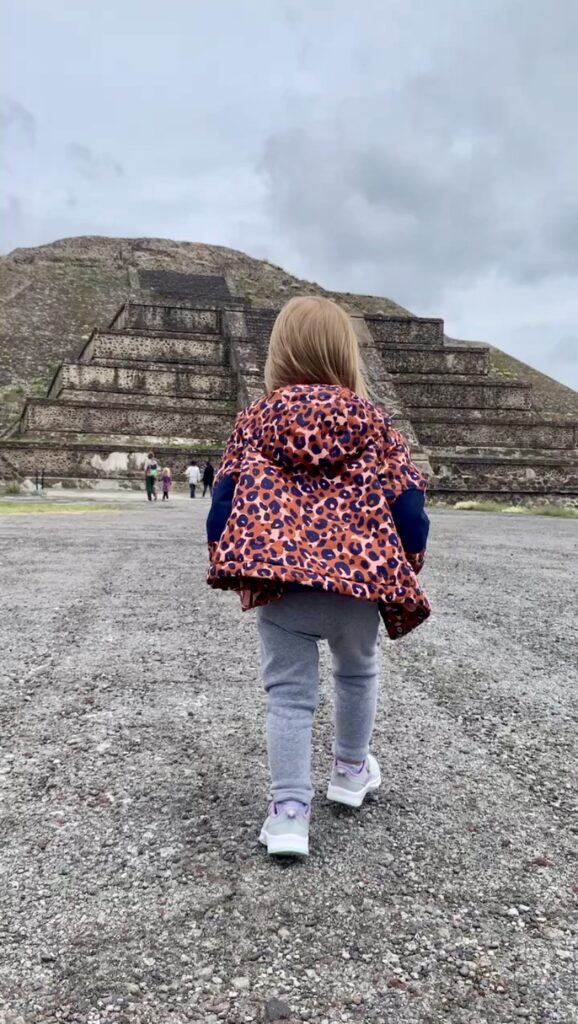
Our daughter still talks about the sun and the moon pyramids in Mexico and even drew a picture of them. Our youngest? She remembers the monkey that grabbed her arm. (Terrifying in the moment, hilarious now.)
They’re not sitting around reminiscing about fancy hotels or big-ticket attractions. They remember the experiences. The stuff that felt real, unexpected, and sometimes totally unplanned.
That’s the thing about traveling with kids. We worry so much about “making it worth it” or doing the big flashy stuff, but that’s not what sticks with them. It’s the park we stumbled across in a new city. It’s eating fruit from a stand on the street. It’s the time we got lost and ended up somewhere better.
Those are the memories that get retold over and over.
That’s the beauty of family travel. It’s not about how much you spend, it’s about what you share.
Final Takeaway
Affordable travel doesn’t mean less meaningful. It doesn’t mean sacrificing safety, fun, or comfort. It just means being intentional. Choosing experiences that matter to your family and letting go of the pressure to make it all perfect.
If you’re a parent reading this and thinking, “I don’t know if we can do that,” I get it. I’ve been there.
But I want you to really ask yourself: What’s actually holding you back? Is it the money, or is it the fear that if it’s not perfect, it’s not worth doing? What’s one small shift you could make right now to start making this feel possible?
Because here’s the truth: travel is about connection. It’s about presence. It’s about showing your kids the world, not through a checklist, but through time together. And no, that doesn’t require a fortune. It just requires a plan that fits your life, and a mindset that says it’s okay to do it differently.
You’ve got more options than you think.